
NDIS Rostering Software Australia: What Providers Need to Know in 2026
Discover how NDIS rostering software helps Australian providers manage staff schedules, recurring shifts, attendance, availability and workforce operations more efficiently. This 2026 guide explains key features, benefits, compliance considerations and what to look for when choosing the right rostering platform.
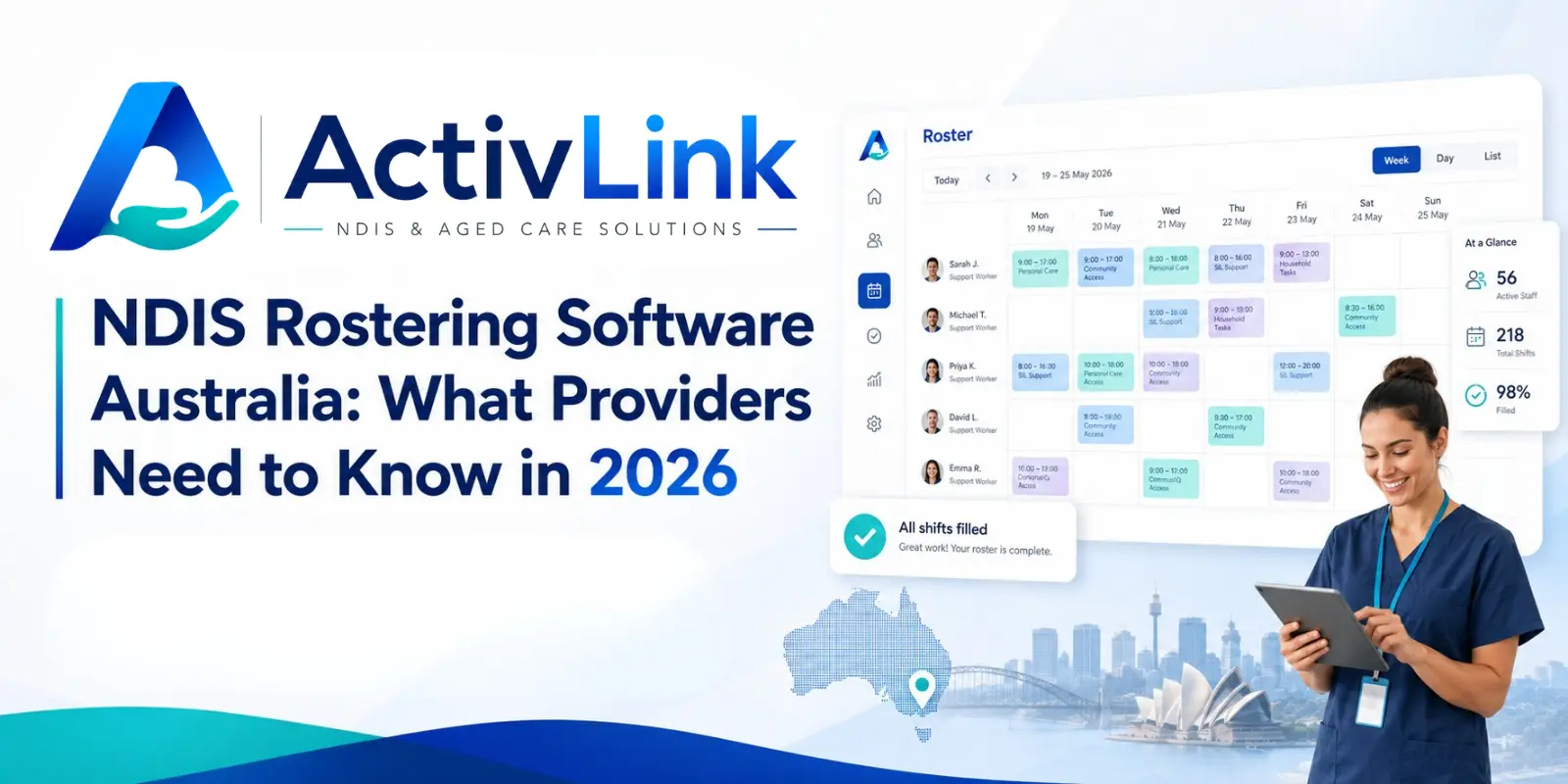
Running an NDIS provider organisation means coordinating people, participants, shifts, records and changing service needs every day. In 2026, relying on spreadsheets, disconnected calendars and manual messages can make that work harder than it needs to be. NDIS rostering software gives Australian providers a more structured way to plan shifts, manage workforce availability and keep day-to-day service information connected. For organisations looking beyond basic scheduling, modern NDIS and aged care software can also bring workforce, attendance, client records, billing and operational information into one place.
What Is NDIS Rostering Software?
NDIS rostering software is a digital system designed to help disability service providers create, manage and update support worker rosters. Instead of building schedules manually, coordinators can organise recurring shifts, review worker availability, respond to changes and maintain clearer records of who is scheduled to support each participant.
A good rostering system is more than an online calendar. It connects scheduling with the information required to run care services efficiently. Depending on the platform, this can include staff profiles, qualifications, leave, attendance, client information, progress notes, shift changes and billing workflows.
For Australian providers, that connected approach can become increasingly valuable as teams grow, services become more complex and administrative demands increase.
Why Do Australian NDIS Providers Need Better Rostering?
Rostering can quickly become one of the most time-consuming parts of operating an NDIS business. Coordinators may need to consider participant preferences, worker availability, qualifications, travel, recurring supports, leave and last-minute cancellations while maintaining service continuity.
NDIS rostering software can reduce this administrative pressure by giving teams a central view of scheduled work. Instead of checking several spreadsheets, inboxes or messaging threads, authorised staff can work from shared roster information.
This matters because rostering decisions affect more than staff allocation. They can influence participant experience, workforce utilisation, attendance records and the accuracy of downstream administration. A clearer system can therefore help providers spend less time reconciling information and more time managing service delivery.
What Features Should NDIS Rostering Software Include?
The right NDIS rostering software should reflect how Australian disability providers actually operate. Providers should look beyond simple drag-and-drop scheduling and assess whether the software can support the wider workforce workflow.
Recurring Shifts and Roster Templates
Many NDIS supports occur on a regular schedule. Recurring shifts and reusable templates can save coordinators from repeatedly entering the same information while still allowing changes when participant needs or worker availability change.
Conflict and Availability Checks
Scheduling two commitments for the same worker can create unnecessary disruption. Useful NDIS rostering software should make potential clashes easier to identify and give coordinators visibility of staff availability before assigning a shift.
Worker Qualifications and Relevant Records
Registered NDIS providers have responsibilities relating to workforce capability and worker records. The NDIS Practice Standards include human resource management requirements, including maintaining relevant worker identity, checks, qualifications or experience records. A rostering platform that keeps important workforce information accessible can support stronger operational processes.
Mobile Access for Support Workers
Support workers are rarely sitting at a desk. Mobile-friendly access allows workers to review upcoming shifts, receive updated information and complete relevant shift activities while working in the community. This can reduce repeated calls and messages between field workers and administration teams.
Attendance and Timesheet Connections
NDIS rostering software becomes more useful when the scheduled shift can connect with actual attendance. Clock-in and clock-out information, missed attendance alerts, and timesheet records can help providers compare what was rostered with what occurred.
How Can NDIS Rostering Software Reduce Scheduling Errors?
Manual rostering often depends on several people keeping different records up to date. One spreadsheet may contain the roster, another may track leave, while worker changes happen through email or messaging apps. That creates opportunities for outdated information, missed changes and double handling.
With NDIS rostering software, roster information can be maintained in a central system. Coordinators can see changes sooner, update assignments and communicate revised schedules from the same workflow.
However, software does not remove the need for good management. Providers still need clear internal processes, accurate staff and participant records, and appropriate oversight. The benefit is that the system can make those processes easier to follow consistently.
Can Rostering Software Help Manage Last-Minute Shift Changes?
Yes. Last-minute cancellations are an unavoidable part of care workforce management. A worker may become unavailable, a participant may change a service time, or another operational issue may require a replacement.
NDIS rostering software can help coordinators identify affected shifts, review available workers and make changes without rebuilding the entire roster. Where automated notifications are available, revised shift information can also reach workers faster.
For growing providers, this can be particularly useful because the cost of manual coordination increases as the number of workers, participants and weekly shifts grows.
NDIS Rostering Software vs Excel: When Should Providers Switch?
Spreadsheets can work when an organisation has a small number of workers and simple scheduling needs. However, they become harder to manage when several coordinators are editing information, staff availability changes frequently, or rosters need to connect with attendance and billing.
NDIS rostering software may be worth considering when a provider is experiencing repeated double handling, version-control problems, missed roster updates, difficulty tracking attendance or excessive time spent preparing schedules.
The decision should be based on operational complexity rather than organisation size alone. Even a small provider can benefit from structured scheduling if its services involve recurring shifts, multiple participants and frequent roster changes.
How Does Rostering Connect With Attendance, Records and Billing?
A roster is the starting point of a service workflow, not the end. Once a shift is scheduled, a provider may need to confirm attendance, capture progress information, review expenses, approve timesheets and prepare billing records.
That is why integrated workforce management can be more useful than standalone scheduling. When NDIS rostering software is connected with other operational functions, teams can reduce the need to re-enter the same shift information across multiple systems.
The NDIS pricing schedule effective from 1 July 2026 provides current guidance on appropriate prices for NDIS supports. Providers still need to apply relevant pricing and service agreement requirements correctly, but well-organised operational records can make billing preparation and review more efficient.
Can NDIS Rostering Software Support Compliance and Audit Readiness?
Software cannot guarantee compliance, and providers remain responsible for meeting the rules and standards that apply to their services. However, NDIS rostering software can support better record-keeping by creating clearer histories of shifts, workforce activity and operational changes.
The NDIS Practice Standards cover areas including governance, information management, human resource management and continuity of supports. Maintaining accurate, current and appropriately accessible information is therefore an important part of provider operations.
In addition, employment obligations can change. For example, changes relating to sleepovers under the Social, Community, Home Care and Disability Services Industry Award took effect from the first full pay period starting on or after 1 June 2026. Providers should always check current Fair Work requirements and obtain appropriate advice where needed.
What Should Small and Growing NDIS Providers Look For?
Small providers do not necessarily need enterprise-level complexity. Instead, they should prioritise a system that is easy to adopt and can grow with the organisation.
When comparing NDIS rostering software, consider whether it offers:
- Clear week and month roster views
- Recurring shifts and reusable templates
- Staff availability and leave visibility
- Conflict or qualification-gap alerts
- Mobile access for support workers
- Attendance and timesheet functionality
- Client and participant information
- Roles and permissions
- Audit history
- Billing or invoicing connections
- Data hosting and security appropriate to the organisation
- Australian support and onboarding
Providers should also ask how easily existing staff and client information can be imported. A practical migration process can make the move from spreadsheets much less disruptive.
Why an Integrated Care Workforce Platform Matters?
Rostering works best when it is connected to the rest of care operations. Scheduling a worker is only one part of the process; providers also need reliable staff information, participant records, attendance visibility, communication and accurate administrative data.
This is where NDIS rostering software can become part of a broader care workforce management strategy. Rather than maintaining separate tools for every function, an integrated platform can give coordinators and authorised team members a clearer operational picture.
For organisations delivering multiple types of care, choosing technology with a broader roadmap can also reduce the need to replace core systems as services evolve.
How Activlink Helps Australian NDIS Providers Manage Rostering?
Activlink is built around Australian care operations and provides scheduling, attendance, staff management, client records and workforce workflows in one connected platform. Its scheduling tools include week and month roster views, recurring shifts, shift templates, conflict detection, qualification-gap detection and automated staff notifications.
Support workers can use Activlink's Progressive Web App to view shifts, clock in and out, access relevant client information and complete progress notes. Meanwhile, coordinators can use live attendance information, approvals and audit records to keep day-to-day operations clearer.
For providers moving away from spreadsheets, Activlink also supports bulk CSV imports for core staff and client records. This can help organisations establish their roster without manually rebuilding every record from the beginning.
Choosing NDIS rostering software should be about more than putting names into a calendar. The right platform should help your organisation create clearer schedules, connect workforce information and reduce unnecessary administration as your services grow. Activlink brings rostering, staff management, attendance, client records and other operational tools together for Australian care providers. If you are exploring a more connected approach to NDIS and aged care software, contact us to discuss your organisation's workflows, available modules, pricing or a product demonstration.
Related articles
NDIS Software Solutions: What Should You Ask During a Product Demo?
Choosing NDIS software solutions? Discover the key questions Australian providers should ask during a product demo, covering rostering, attendance, billing, staff access, pricing and support. Use this practical guide to compare platforms and find software that suits your team’s daily operations.
NDIS Billing Software Australia: Complete Guide for Providers in 2026
Discover how NDIS billing software Australia can help providers streamline invoicing, manage bulk claims, reduce billing errors and connect rostering, attendance and service records. This 2026 guide explains key features, billing workflows, pricing considerations and what Australian NDIS providers should look for when choosing the right software.
NDIS Shift Management Software in Australia: 10 Essential Features Providers Need in 2026
Discover the 10 essential features Australian providers should look for in NDIS shift management software in 2026. From smart rostering and recurring shifts to attendance, mobile access, compliance records and NDIS billing, learn how Activlink helps simplify workforce operations and support more efficient care delivery.